

Key Takeaways
- Where a brand is headquartered no longer tells you where its vehicles are assembled.
- Reliability differences between domestic and import brands have narrowed significantly since the 1980s and 1990s.
- Brand origin affects parts availability, dealer density, and resale value in ways worth understanding before buying used.
- Several import-branded vehicles have higher U.S. content by parts percentage than some domestic-branded ones.
- Warranty structures and powertrain coverage vary by brand, not by domestic or import status.
Option A
Domestic brands
U.S.-headquartered automakers with deep roots in American manufacturing and culture.
Best for: Buyers who prioritize large trucks, full-size SUVs, and established dealer networks across the country.
Option B
Import brands
Foreign-headquartered automakers that sell and, increasingly, manufacture vehicles in the United States.
Best for: Buyers drawn to fuel-efficient sedans, compact crossovers, and brands with strong long-term reliability records.
If you need a full-size pickup truck or body-on-frame SUV
Domestic brands
Ford, GM, and Stellantis have built full-size truck platforms for decades and maintain the widest dealer and service networks for those vehicles across rural and suburban areas.
If long-term ownership cost and resale value are central concerns
Import brands
Japanese-headquartered brands such as Toyota and Honda have consistently posted strong resale values and lower-than-average ownership costs in long-term surveys, though individual model results vary.
If you plan to buy used and want widely available parts
Domestic brands
High-volume domestic models tend to have deep aftermarket parts ecosystems, which can reduce repair costs on older vehicles.
If fuel economy in a compact or midsize vehicle is a priority
Import brands
Brands like Honda, Toyota, Hyundai, and Kia have historically concentrated product development on efficient smaller vehicles, giving them a broader range of options in that segment.
What 'domestic' and 'import' actually mean today
The terms trace back to the mid-20th century, when General Motors, Ford, and Chrysler built nearly all vehicles sold in the United States, and foreign-made cars arrived by ship. That split defined the labels: domestic meant American-owned, American-built; import meant everything else.
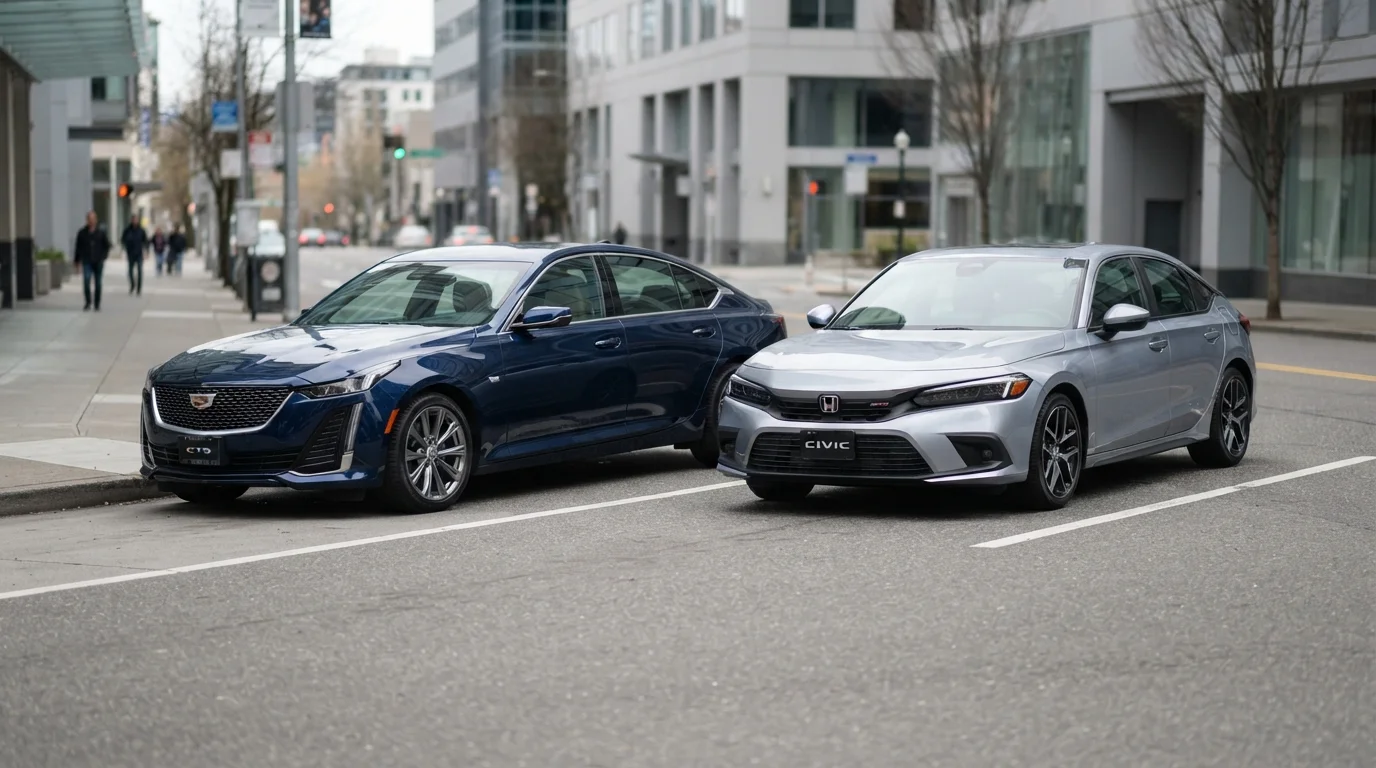
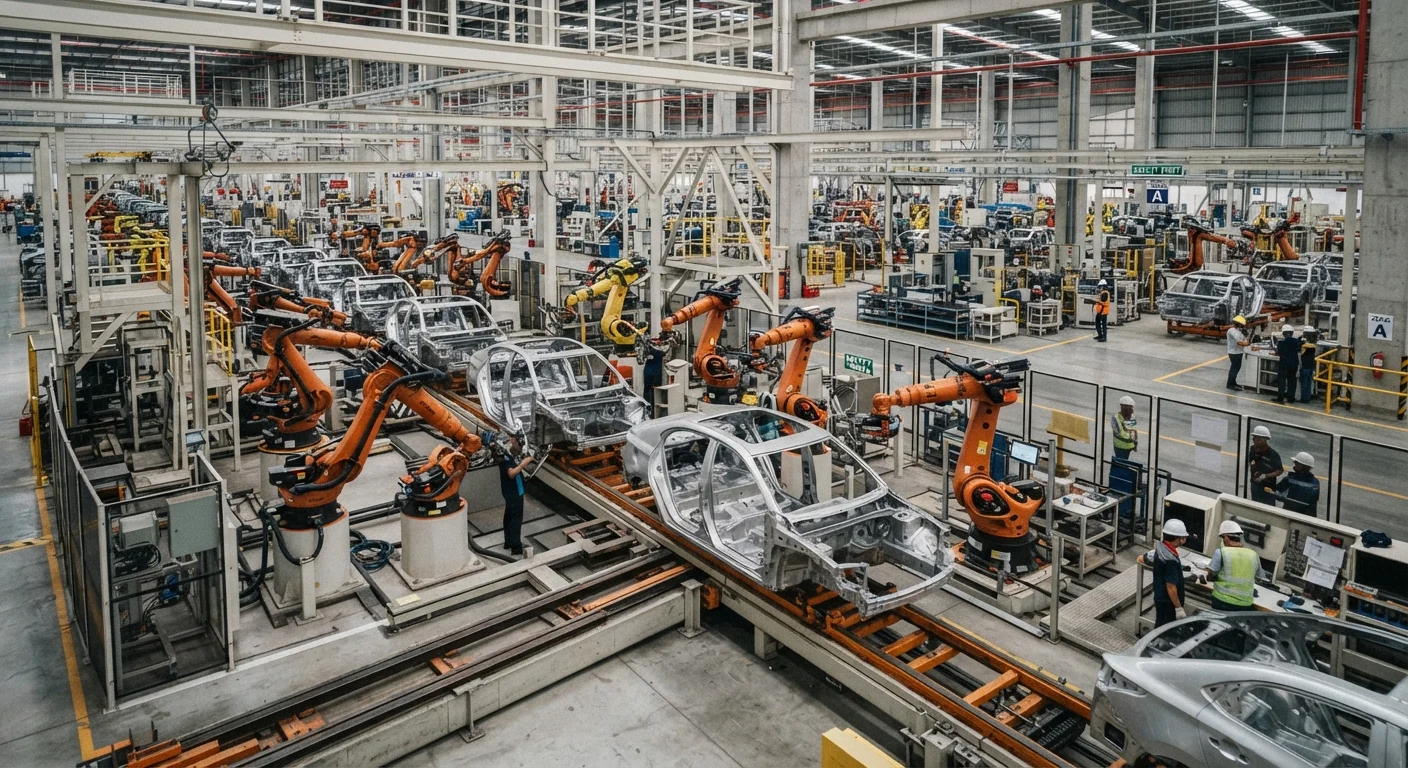
That distinction has fractured. Toyota assembles vehicles in Kentucky, Texas, and Indiana. BMW builds SUVs in South Carolina. Meanwhile, some models sold under the Ford or Chevrolet badge are assembled in Mexico or Canada. The National Highway Traffic Safety Administration requires automakers to disclose the percentage of U.S. and Canadian parts content on every new vehicle's window sticker. On that measure, a Chevrolet Colorado assembled in Missouri may have more North American content than a Honda Civic assembled in Ohio, or it may not, depending on the model year.
For buyers evaluating a used vehicle, the practical meaning of the domestic/import divide tends to come down to three things: where the parent company's engineering decisions are made, how dense the dealer network is in their area, and what the resale market looks like for that badge.
How reliability perceptions formed and where they stand now
The strongest association most American buyers have with import brands, particularly Japanese ones, is reliability. That perception formed during the 1970s and 1980s, when fuel prices rose sharply and Consumer Reports and J.D. Power surveys began documenting higher defect rates in domestic models compared to Japanese competitors. The gap was real and measurable during that period.
By the 2010s, the picture changed. Domestic brands made substantial quality improvements, and the reliability gap narrowed across most segments. J.D. Power's annual Vehicle Dependability Study, which tracks problems reported by owners of three-year-old vehicles, has in recent years shown domestic brands scoring competitively with or above some import brands in specific categories. The results shift year to year and vary considerably by model, not just by brand origin.
The more useful frame for any buyer is model-level reliability data rather than brand-origin assumptions. A midsize truck from a domestic brand may have a stronger reliability record than a compact crossover from an import brand, or vice versa. Brand tier also matters: luxury-tier import brands carry different reliability profiles than their mainstream siblings.
Assembly location, parts, and what it means for used car buyers
Used vehicles and country of origin
When buying used, the window sticker disclosing parts content is gone. You can look up a vehicle's assembly location and parts origin using its Vehicle Identification Number (VIN) through NHTSA's free online database. This is more reliable than relying on brand name alone to judge where the vehicle was built.
For used car buyers, the domestic/import question becomes more concrete. Parts availability and labor costs vary by brand and by how long a model has been sold in the U.S. High-volume domestic models like the Ford F-150 or Chevrolet Silverado have some of the deepest aftermarket parts ecosystems in the country, which generally keeps repair costs lower on older examples.
Import brands with long U.S. sales histories, such as Toyota and Honda, also have well-developed parts networks. Less common import models, or those from brands that entered the U.S. market more recently, may have fewer independent repair shops familiar with their systems and lower parts availability outside major metro areas.
Resale value is another factor. Import brands, again particularly Japanese ones, have historically retained value well in the U.S. used market. That is advantageous if you are buying new and plan to sell, but it also means paying more when buying used. Used car buyers should factor in the premium already priced into high-retention-value brands before assuming a lower purchase price equals a better deal.
Warranty terms are set by individual brands, not by domestic or import status. Warranty coverage for powertrain, bumper-to-bumper, and corrosion protection varies widely, so reviewing the specific terms for any brand under consideration matters more than assuming one category offers better coverage than the other.
Model lineup differences by brand origin
Domestic brands, particularly GM, Ford, and Stellantis (parent of Ram, Jeep, and Dodge), have historically concentrated strength in full-size trucks, large SUVs, and performance vehicles. Those segments remain their highest-volume and most profitable products, and their lineups reflect that focus.
Japanese and Korean import brands built their U.S. presence on compact and midsize cars, fuel efficiency, and value pricing. Over time, they expanded into SUVs and crossovers to follow market demand, though most still carry stronger reputations in smaller vehicle categories than in the full-size truck segment.
European import brands, including German, Swedish, and British marques, generally operate in higher price tiers and focus on performance, technology, or near-luxury positioning. Their lineups are typically narrower than high-volume Asian or domestic brands. How automakers structure their lineups reflects long-term strategic bets about which segments they can compete in profitably, and those bets track closely with brand origin and history.
For a buyer comparing options across the domestic/import line, the most straightforward approach is to identify the vehicle segment you need first, then evaluate specific models within that segment on reliability data, total ownership cost, and dealer access in your area, rather than starting from brand origin as the primary filter.