

Key Takeaways
- Automakers design lineups to cover different buyer segments, from commuters to families to truck users, within a single brand.
- Body style categories such as sedans, SUVs, crossovers, and trucks each attract different buyers based on utility and lifestyle needs.
- Broader lineups can reach more customers but also increase manufacturing complexity and cost.
- Brands sometimes shrink their lineups deliberately when certain body styles lose buyer demand, as several mainstream brands did with sedans in the 2010s.
- Understanding lineup structure helps buyers see why a brand may or may not have a model that fits their needs.
Vehicle lineup strategy
A vehicle lineup is the complete set of models a single brand sells at one time. Automakers decide how many models to offer, which body styles to cover, and how to price them relative to one another. That set of decisions is what industry observers call lineup strategy.
Automakers typically organize lineups around platform families, where multiple models share the same underlying architecture to reduce engineering costs while producing distinct vehicles.
What a model lineup actually is
When an automaker publishes a list of vehicles for sale under one brand name, that list is the lineup. Each entry on the list is a distinct model, identified by a name or alphanumeric code and designed around a specific body style, size, and price range.
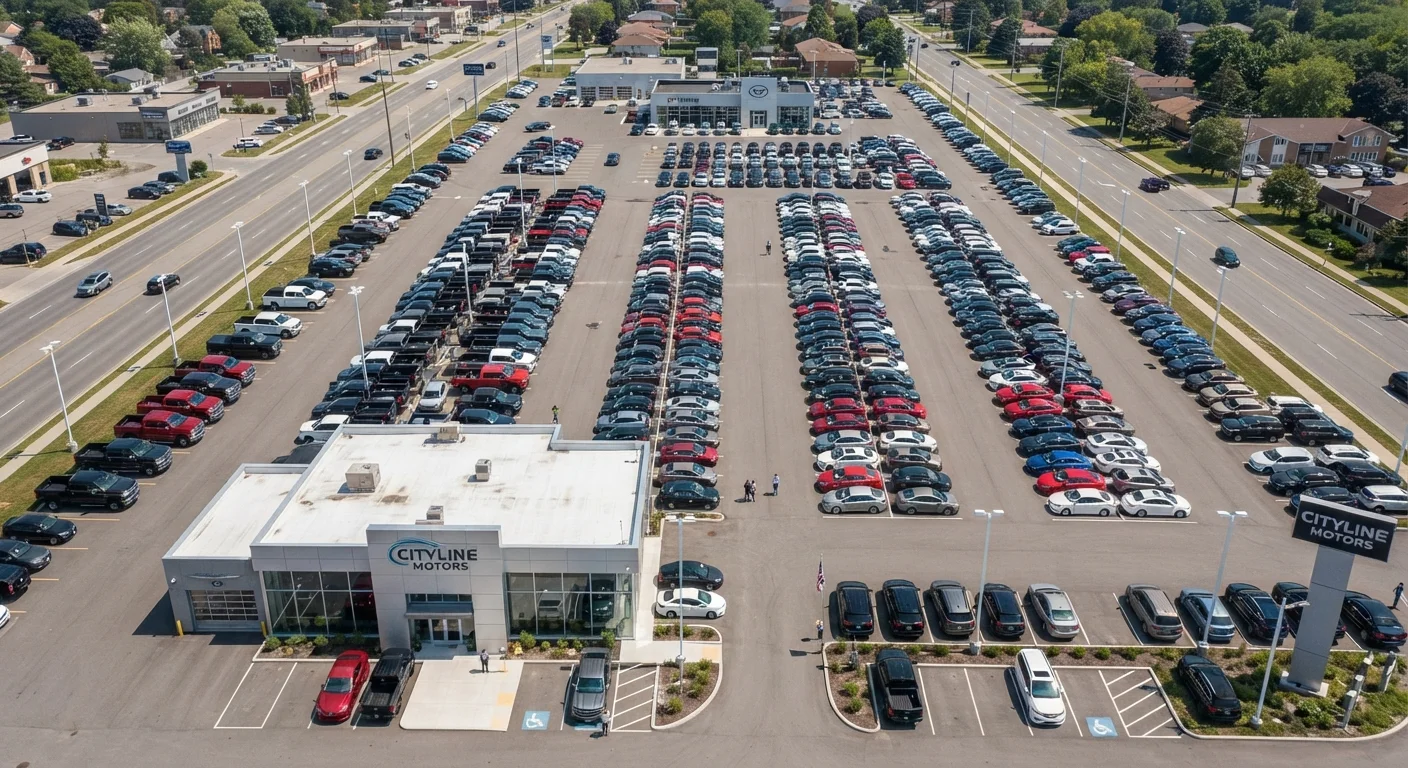
Lineups are not assembled randomly. Automakers use market research to identify buyer segments, then assign one or more models to each segment they want to reach. A brand that targets families, commuters, and outdoor enthusiasts will need at least three meaningfully different vehicles to do that. A brand focused narrowly on performance buyers may need only one or two.
The result is that lineup size often reflects a brand's ambitions in the market more than any other single factor. See how brand tiers are structured for more on how automakers position themselves across the market.
The body style categories that shape lineups
Body style is the first organizing principle most automakers use. Each style has a conventional set of trade-offs between cargo space, passenger comfort, fuel economy, and driving character.
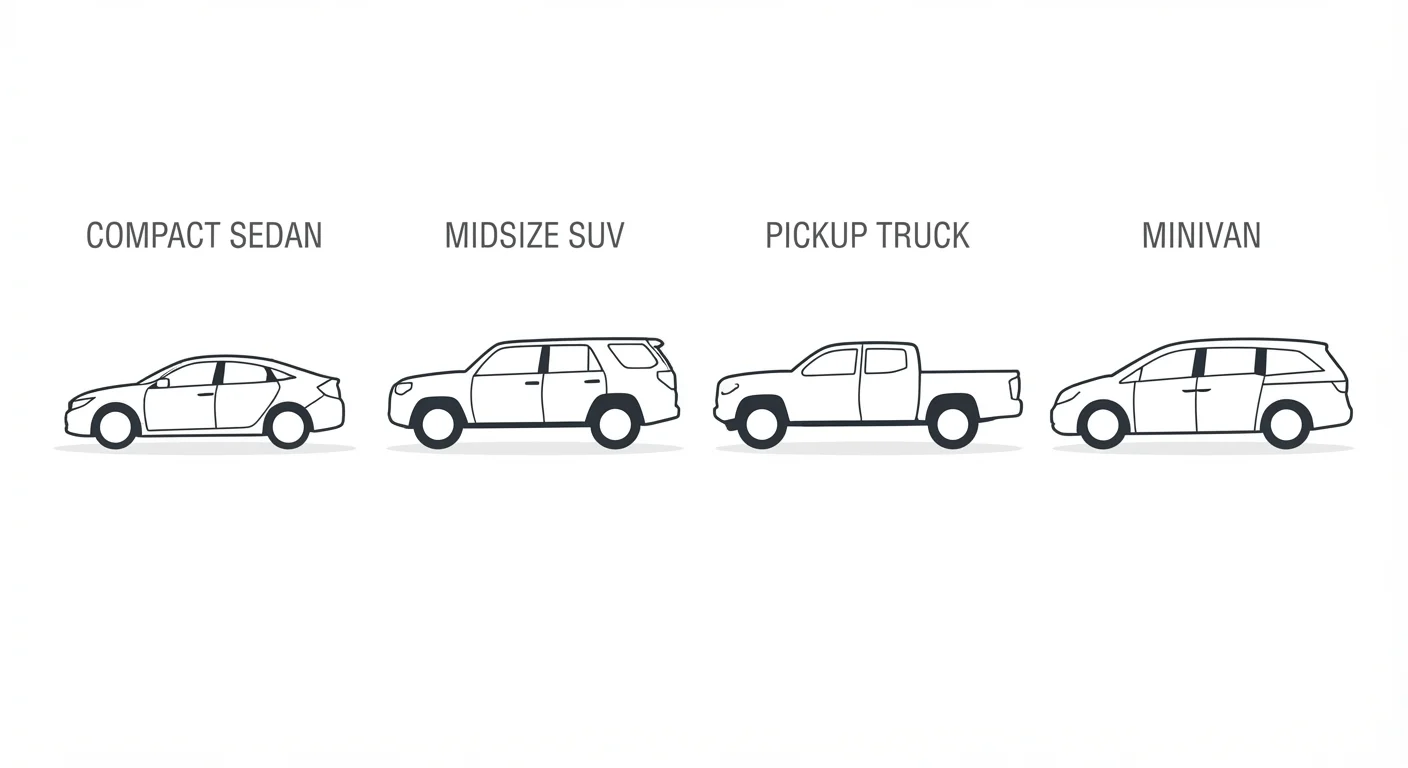
- Sedans are enclosed cars with a separate trunk. They typically have a lower center of gravity than SUVs, which affects handling. For decades they were the default family car in North America.
- Crossovers and SUVs use a taller body that provides more cargo room, a higher seating position, and, in many configurations, available all-wheel drive. Buyer demand shifted heavily toward this category through the 2010s and into the 2020s.
- Trucks have an open bed and are built for hauling and towing. Full-size and midsize truck segments are distinct, and several brands offer both.
- Minivans seat seven or eight passengers with large sliding doors. The category shrank as crossovers absorbed family buyers, but a small number of brands still sell them.
- Sports and performance cars are low-volume models that often anchor a brand's identity even when they represent a small fraction of total sales.
Most mainstream brands cover at least three of these categories. Ford's current lineup is one example of how a single brand can span trucks, SUVs, and passenger cars simultaneously.
79%
Share of U.S. new vehicle sales that were light trucks and SUVs in 2023
According to data from the Bureau of Transportation Statistics, light trucks (including SUVs, pickups, and vans) accounted for roughly 79% of new light vehicle sales in the United States in 2023.
5 to 15+
Typical model count range across mainstream brand lineups
Mainstream brands vary widely in lineup size. Focused brands may offer five or fewer models, while large multinational brands can exceed fifteen distinct nameplate entries globally.
How lineup decisions get made
Automakers weigh several practical constraints when deciding which models to build. Platform sharing is one of the most significant. When two or more models share the same underlying structure, the brand spreads engineering costs across higher combined production volume. This is why a compact SUV and a compact sedan from the same brand sometimes feel similar to drive even though they look completely different.
Regulatory requirements also shape lineups. Corporate average fuel economy standards in the United States require manufacturers to hit fleet-wide efficiency targets. Adding a fuel-efficient model to a lineup can offset the efficiency drag of a larger vehicle, giving a brand more flexibility to keep both in production.
Consumer demand is the third major input. When sedan sales dropped in North America, several brands discontinued those models rather than continue building vehicles that were not selling. The same logic applies in reverse: the rapid growth of the SUV segment prompted most brands to add crossover models they had never previously offered. Domestic and import brands sometimes diverged in how quickly they responded to this shift.
What lineup structure means for buyers
A brand's lineup structure has practical consequences for anyone shopping for a vehicle. If a brand has exited the sedan segment entirely, a buyer who wants a sedan has no path to that brand's dealerships. If a brand covers only the compact and midsize SUV segments, full-size SUV shoppers will need to look elsewhere.
Lineup structure also affects the used car market. Models that were discontinued years ago may still be available as pre-owned vehicles, but manufacturer support (including parts availability and software updates) depends on how long ago production ended. Buyers considering older discontinued models should research parts availability before committing. The used car research process covers what to verify before purchasing any pre-owned vehicle.
Understanding how lineups are built also helps buyers interpret marketing language. When a brand describes a model as its "flagship," that usually means it sits at the top of the lineup in size or price, not that it is the most practical choice for most buyers. The difference between luxury and mainstream lineups explains how price positioning within a lineup translates into real product differences.
This article provides general educational information about automotive industry practices. It is not financial, legal, or purchasing advice. Readers making vehicle purchase or financing decisions should consult qualified professionals and review current data from independent sources.