

Key Takeaways
- New cars typically lose 15 to 25 percent of their value in the first year alone.
- The steepest depreciation happens in years one through three, which is why used cars can be significantly cheaper than new ones.
- High-mileage vehicles depreciate faster; condition, trim level, and color also affect resale value.
- Understanding depreciation helps you spot when an asking price is out of step with the vehicle's actual market value.
- A car loan that exceeds a vehicle's depreciated value can leave you owing more than the car is worth.
Vehicle depreciation
Depreciation is the loss in a vehicle's monetary value over time. Every car, truck, or SUV loses value from the moment it is first sold new, and continues losing value as it ages and accumulates mileage. For used car buyers, depreciation matters because it directly shapes what a fair asking price looks like and how much the vehicle will be worth when you eventually sell or trade it in.
Depreciation is an accounting concept that measures value decline. For vehicles, it is typically expressed as a percentage of original MSRP (manufacturer's suggested retail price) lost per year or over the vehicle's life.
What depreciation is and why it happens
Every vehicle loses value over time. Wear, aging components, newer competing models, and shifting buyer preferences all reduce what someone will pay for a car that has already been driven. Depreciation is simply the dollar amount of that loss.
The decline is not linear. A new vehicle loses a large portion of its value in the first year, often 15 to 25 percent, because the original buyer absorbs the full retail markup the moment they drive off the lot. In years two through five the rate slows somewhat but stays significant. By year five, many vehicles are worth 40 to 50 percent of their original purchase price, though this varies considerably by model, condition, and market demand.
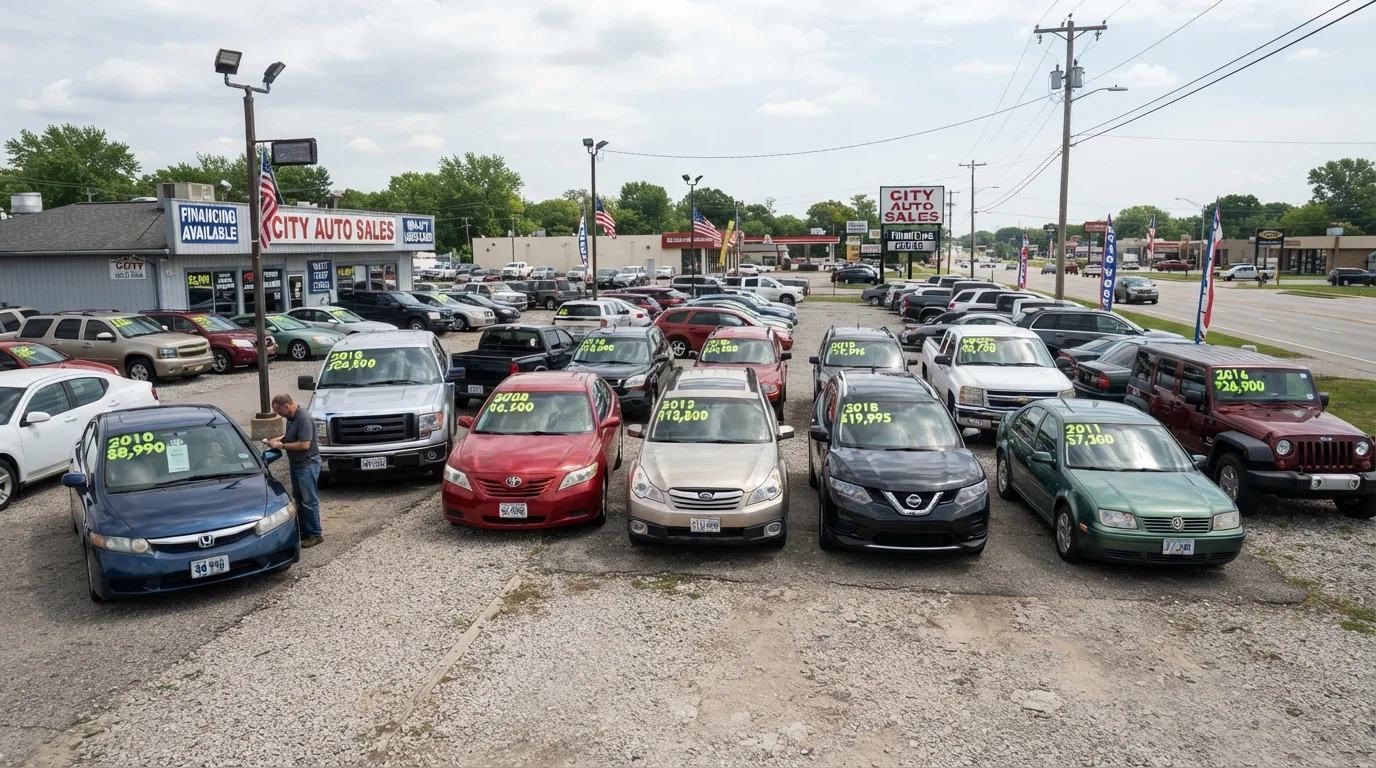
For used car shoppers, this curve is actually an advantage. Buying a vehicle that has already passed through its sharpest depreciation years means someone else absorbed that loss. You pay a price that more closely reflects what the car is actually worth in the current market.
Factors that speed up or slow down depreciation
Mileage and age together form the baseline of any valuation. Beyond those two, several other factors move the number up or down.
- Condition: visible body damage, worn interior, or mechanical problems reduce market value below what comparable clean vehicles command.
- Trim level: a higher-spec model with more features typically holds value better than a base trim of the same vehicle.
- Color: neutral colors (white, black, silver, gray) tend to appeal to a broader pool of buyers, which supports resale value.
- Geographic demand: a four-wheel-drive truck may hold value better in a northern state with harsh winters than in a warm coastal market.
- Fuel type: consumer preference for fuel-efficient or electric vehicles shifts demand and can accelerate depreciation for some conventional models.
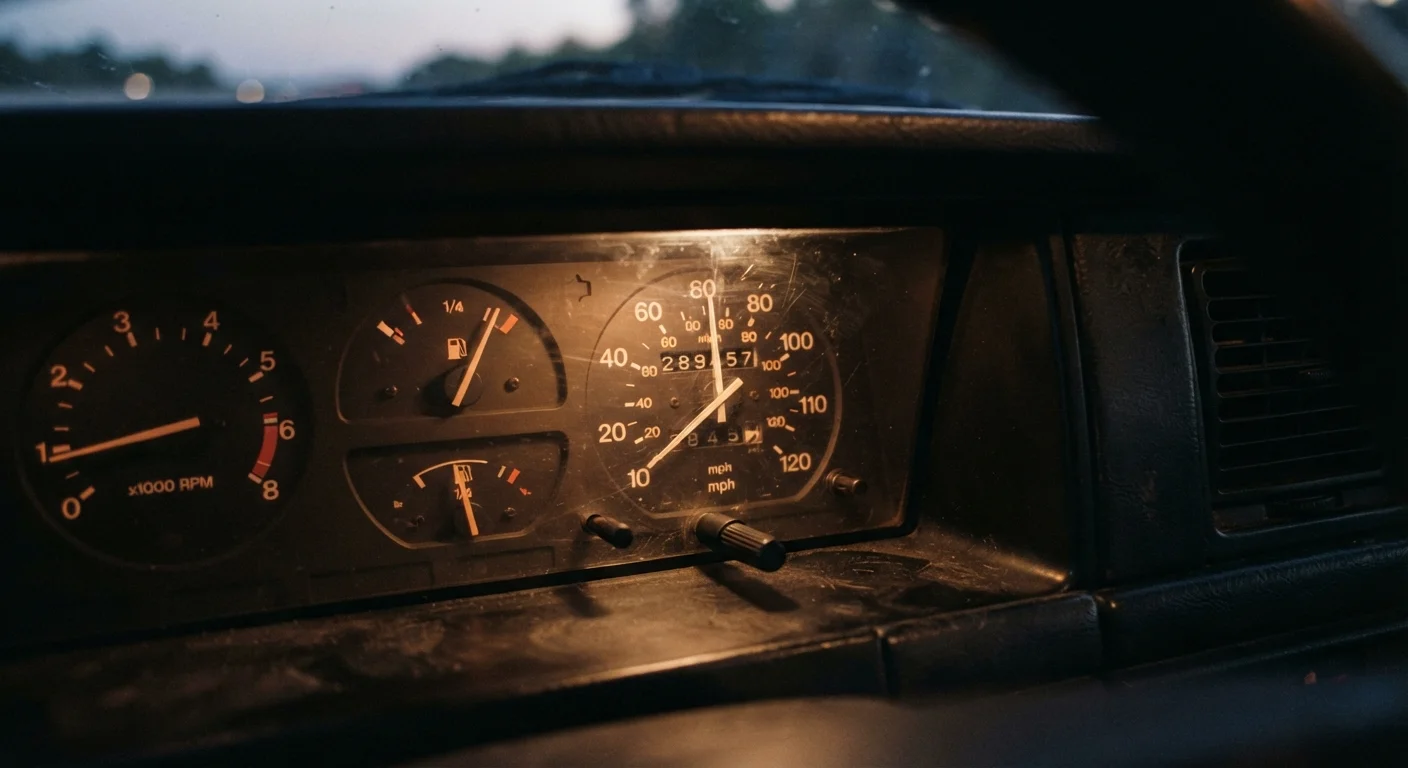
Maintenance history also matters. A vehicle with documented, consistent service records signals to buyers that the car was looked after, which supports asking price. Missing records or a patchy service history do the opposite.
How to use depreciation data when evaluating a price
Several independent valuation guides publish market-based price estimates for used vehicles based on year, make, model, trim, mileage, condition, and location. Looking up a vehicle in one or more of these guides before negotiating gives you a concrete baseline to compare against the asking price.
If a dealer or private seller is asking noticeably above the estimated market range, ask why. A recent repair, low mileage for the year, or added equipment could justify it. If there is no clear explanation, the asking price may simply be inflated.
15-25%
Value lost in a new car's first year
General industry estimates based on average new vehicle depreciation rates across major automotive segments.
~50%
Typical value remaining after five years
Varies widely by make, model, condition, and market; some vehicles retain more, others less.
Year 1-3
Steepest depreciation window
The first three years account for the largest cumulative percentage drop in vehicle value for most models.
The used car buying process involves several steps where this knowledge applies directly: setting a realistic budget, evaluating specific listings, and negotiating a final price.
Depreciation and your financing
Depreciation has a direct relationship with auto loan risk. When you borrow money to buy a vehicle, the loan balance does not shrink at the same rate as the car's value, especially in the early months when most of your payment covers interest rather than principal. If the car's value drops faster than your loan balance, you owe more than the vehicle is worth. That condition is called negative equity, or being underwater.
This matters most when a car is totaled or stolen. In that situation, a standard insurance payout covers the vehicle's current market value, not what you owe the lender. The gap between those two numbers comes out of your pocket unless you carry gap coverage. For a plain explanation of how auto loan terms affect this risk, see how used car financing works. For coverage decisions, a licensed insurance agent can explain your options; terms and eligibility vary by provider.
Depreciation also affects the broader picture of ownership costs beyond the sticker price. A vehicle that has already depreciated sharply costs less to insure for comprehensive and collision coverage, since those payouts are capped at actual cash value.
This article is for general informational purposes only and is not financial, legal, or insurance advice. Consult a qualified professional for guidance specific to your situation.