

Key Takeaways
- A pre-purchase inspection (PPI) is an independent mechanical check done before you buy a used car.
- Most PPIs cost between $100 and $200 and can uncover repairs worth far more.
- You arrange the inspection yourself, typically at a shop of your choosing.
- A seller who refuses an inspection is a meaningful warning sign.
- The inspection report gives you concrete facts to use in price negotiations.
What you will need
What a pre-purchase inspection actually is
A pre-purchase inspection (PPI) is a mechanical evaluation of a used vehicle conducted by a mechanic who has no financial stake in whether you buy the car. It is different from a test drive, which you do yourself, and from a vehicle history report, which documents a car's past on paper. A PPI is a physical, hands-on look at the car's actual condition right now.
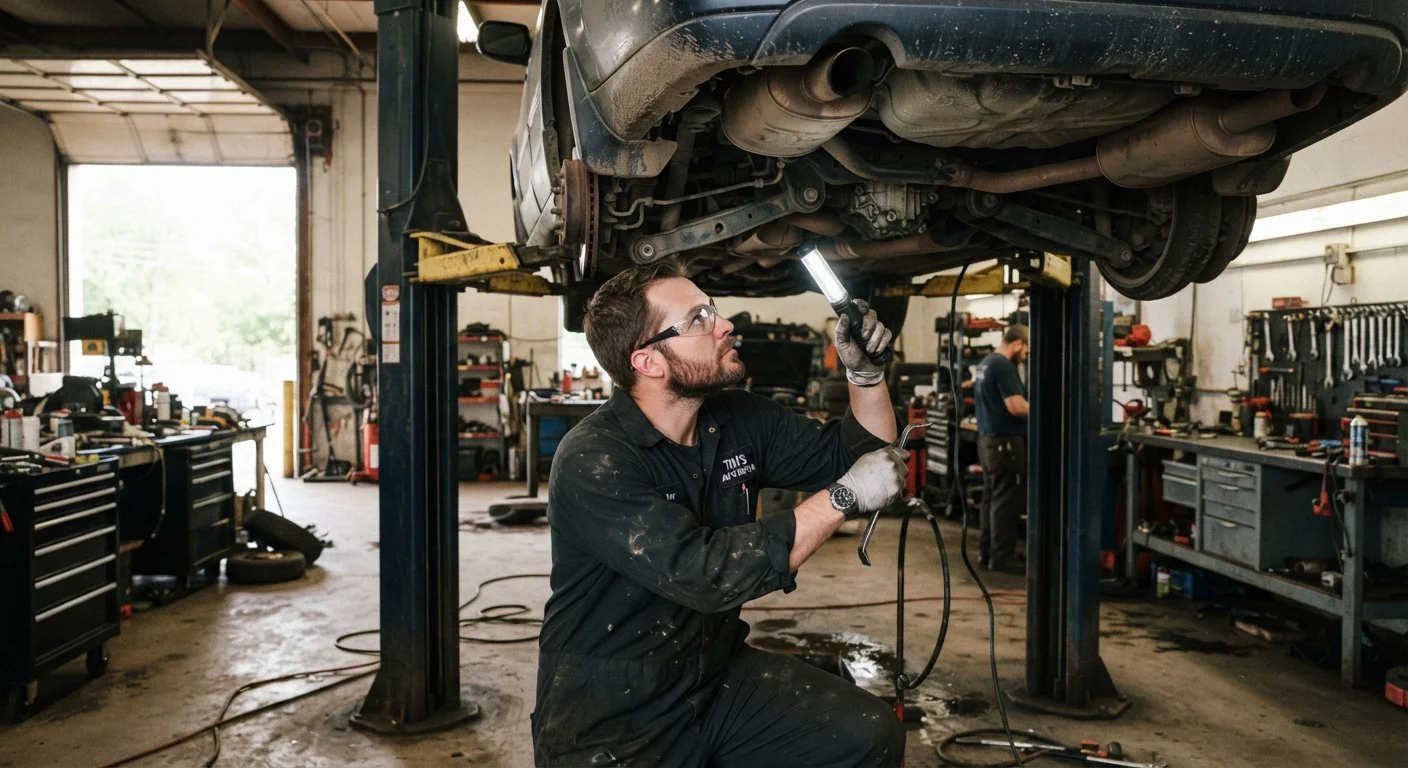
The goal is straightforward: find problems before money changes hands, not after. A test drive can surface some issues, like unusual noises or handling problems, but it will not tell you whether the brake pads are worn to 2mm, whether a CV axle boot is cracked, or whether the frame shows signs of prior repair. A mechanic on a lift can see all of that.
A PPI is appropriate for any used car purchase, whether you are buying from a private seller, an independent lot, or a franchised dealership. It fits naturally into the broader used car buying process, typically after you have test-driven the car and confirmed you are seriously interested.
Certified shops add credibility
Shops with ASE-certified technicians have passed standardized competency tests for specific vehicle systems. Certification does not guarantee the inspection will be perfect, but it is a reasonable signal that the mechanic knows the system they are checking.
What it costs and what it covers
Most independent shops charge between $100 and $200 for a PPI, though prices vary by location and the complexity of the vehicle. Trucks with four-wheel-drive systems or vehicles with known reliability concerns may take longer to check thoroughly and could cost more.
A standard inspection covers the engine, transmission, brakes, tires, suspension, steering, exhaust system, and the undercarriage generally. The mechanic will connect a scan tool to the car's OBD-II port to read any stored diagnostic trouble codes, which can reveal problems that have not yet caused a visible symptom. Fluid condition, including oil, coolant, and brake fluid, is also part of most inspections.
What a PPI does not cover is just as worth knowing. A mechanic is not a title examiner; they cannot tell you whether the seller actually owns the car or whether there is a lien on it. For title and ownership questions, consult the used car buying checklist and verify the title separately before you sign anything.
If you are financing the purchase, understanding the car's condition also affects your loan picture. A car with deferred maintenance may need money spent on it shortly after purchase, which matters for your total budget. The auto loans section of this site covers how loan terms and total cost of ownership connect.
How to get the most from the inspection
The steps below walk through the full process, from finding a mechanic to using the report. Before you start, confirm the seller will allow the inspection and gather whatever vehicle history you already have.
What you will need
Find an independent mechanic
Choose a shop that has no connection to the seller. If the car is at a dealership, do not use their service department. Search for ASE-certified (Automotive Service Excellence) shops nearby, or ask friends and family for a recommendation. Call ahead to confirm the shop does pre-purchase inspections and ask what the fee is.
Get the seller's agreement
Tell the seller you want an independent inspection before committing. A reasonable seller will say yes. Agree on a time and location, and confirm the car will be available for two to three hours. If the seller says no or creates obstacles, treat that as a reason to reconsider the purchase.
Bring any available vehicle history
If you have already pulled a vehicle history report, share it with the mechanic. Prior accident records, flood damage disclosures, and odometer readings give the mechanic useful context for what to look at closely. The mechanic will still conduct a full physical check regardless, but the history report can direct extra attention to previously repaired areas.
Let the mechanic work
A thorough PPI typically includes an under-vehicle inspection on a lift, a check of the engine and transmission, a look at brakes, tires, suspension, and steering components, a scan of the onboard diagnostic (OBD) system for stored fault codes, and an assessment of fluid conditions. Some mechanics will also do a short test drive. The full process usually takes one to two hours.
Review the written report
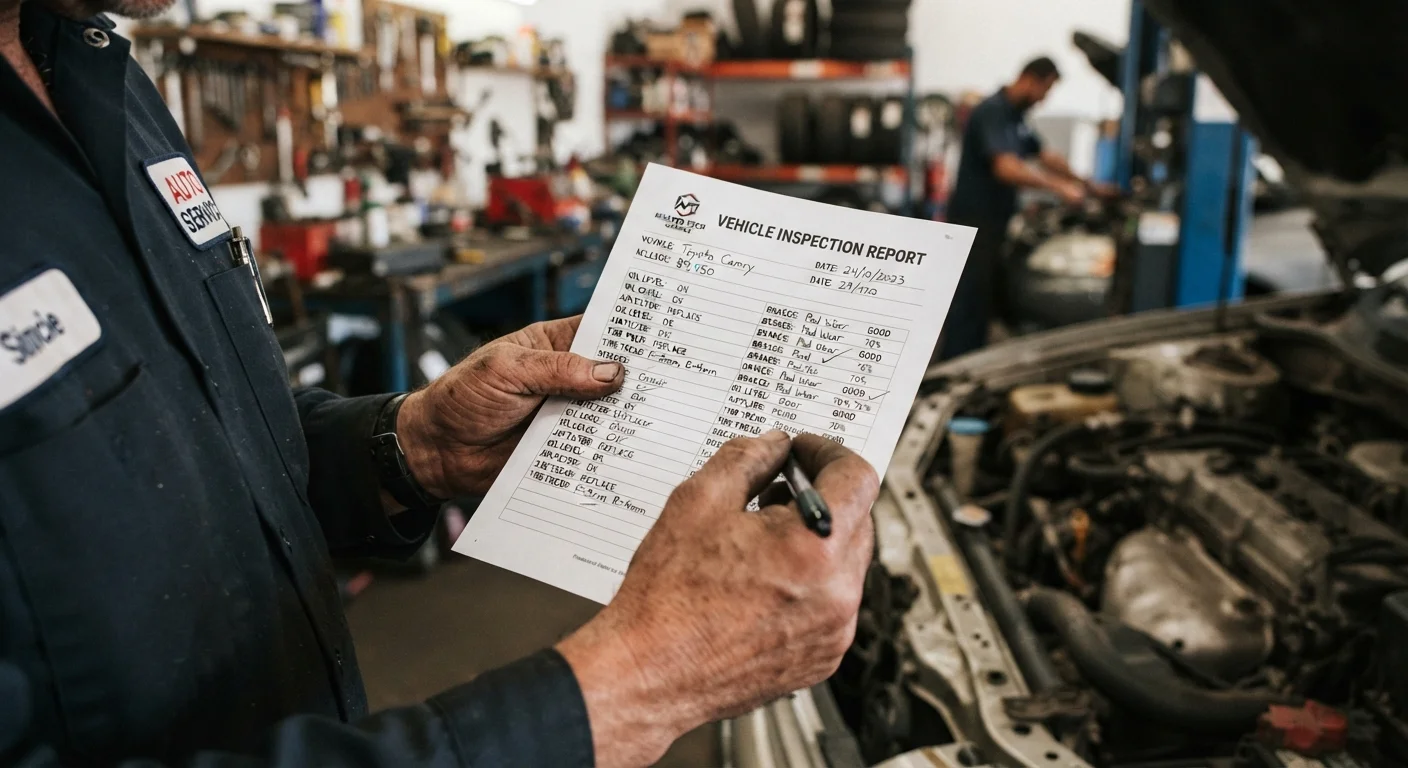
Ask for a written summary of all findings, not just the mechanic's verbal take. The report should list each problem found, its severity, and an estimated repair cost. Read through every item carefully. Group findings into three categories: safety concerns that need immediate attention, deferred maintenance the car will need soon, and cosmetic or minor issues that can wait.
Use the findings to negotiate or walk away
A clean report strengthens your confidence in the purchase. A report with problems gives you documented evidence to ask for a lower price, request that the seller fix specific items before closing, or simply walk away. There is no obligation to proceed. The inspection fee is money spent on information, and that information has value whether or not you buy the car.
This article is for general informational purposes only and does not constitute financial, legal, or mechanical advice. Vehicle conditions vary. Consult a qualified mechanic for an assessment specific to the car you are considering, and a licensed financial professional for guidance on your individual financing situation.