

Key Takeaways
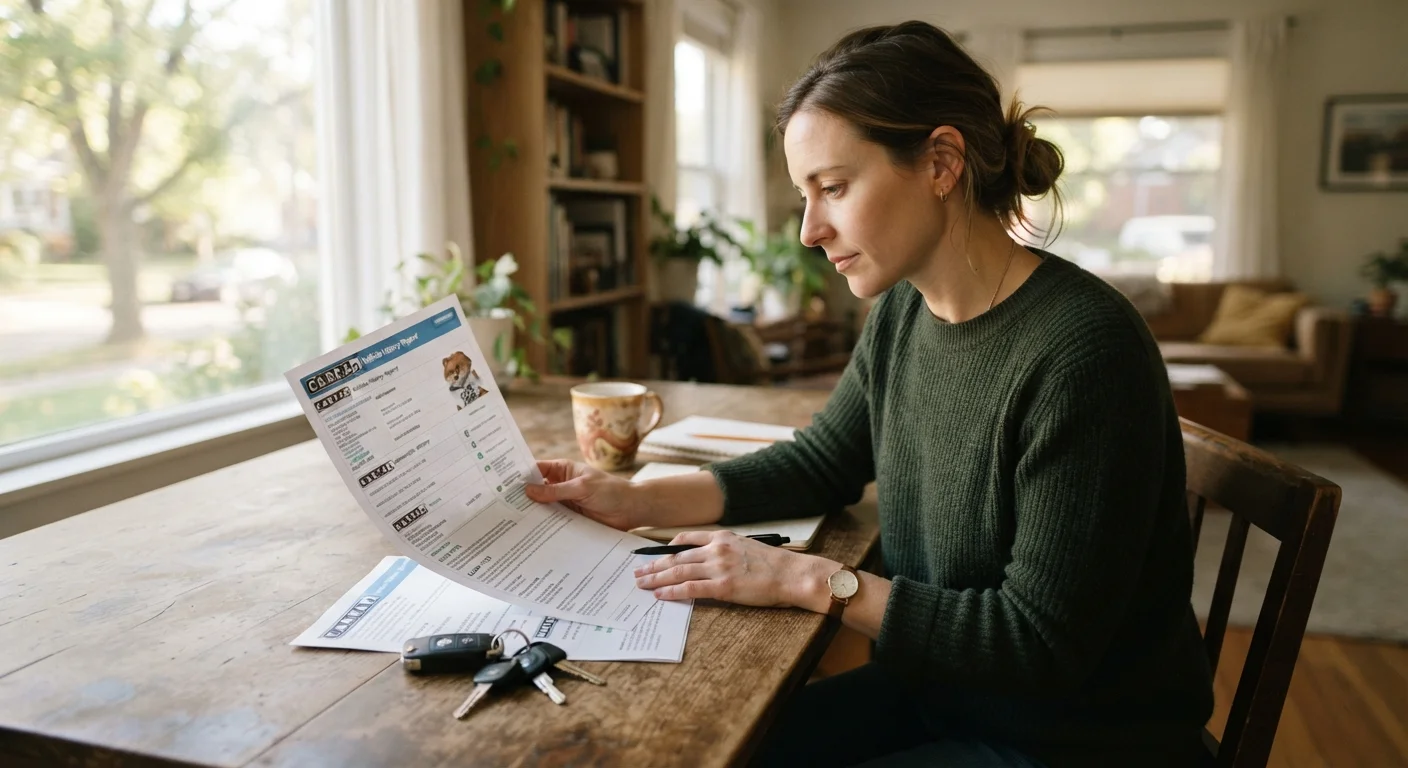
- A clean title free of liens, salvage brands, or flood damage is the single most important document to verify.
- An independent pre-purchase inspection can reveal mechanical problems a test drive will not show.
- Checking the vehicle history report and the title together helps confirm the odometer reading is accurate.
- Getting financing pre-approved before visiting a dealer gives you a clearer picture of your actual budget.
- Read every line of the purchase contract before signing, including add-on fees and warranty terms.
- Insurance coverage must be in place before you drive the car off the lot.
Summary
18 items · 1 to 2 hours across multiple steps
Why a checklist matters before you sign
Buying a used car involves a chain of decisions, and a mistake early in that chain can follow you for years. A missed lien on the title, an undisclosed accident, or a financing term you did not fully read can each cost real money. This checklist organizes the verification steps into four stages so nothing slips through.
For a broader look at how these steps fit together, see the full used car buying process.
Vehicle history report service
Provides a report tied to the VIN showing past accidents, title brands, odometer readings, and ownership history.
NHTSA recall lookup
Lets you check whether any open safety recalls apply to the specific VIN you are considering.
State DMV lien check
Confirms whether a lender or other party holds an outstanding claim against the vehicle's title.
Independent mechanic
Performs a pre-purchase inspection to assess the car's mechanical and structural condition before you buy.
Lender pre-approval letter
Documents your approved loan amount and interest rate so you can compare it against dealer financing.
The checklist
Work through each group in order. Items marked must are non-negotiable. Items marked should are strongly recommended but may not apply in every situation.
Title and history
Condition and inspection
Financing and budget
Paperwork and transfer
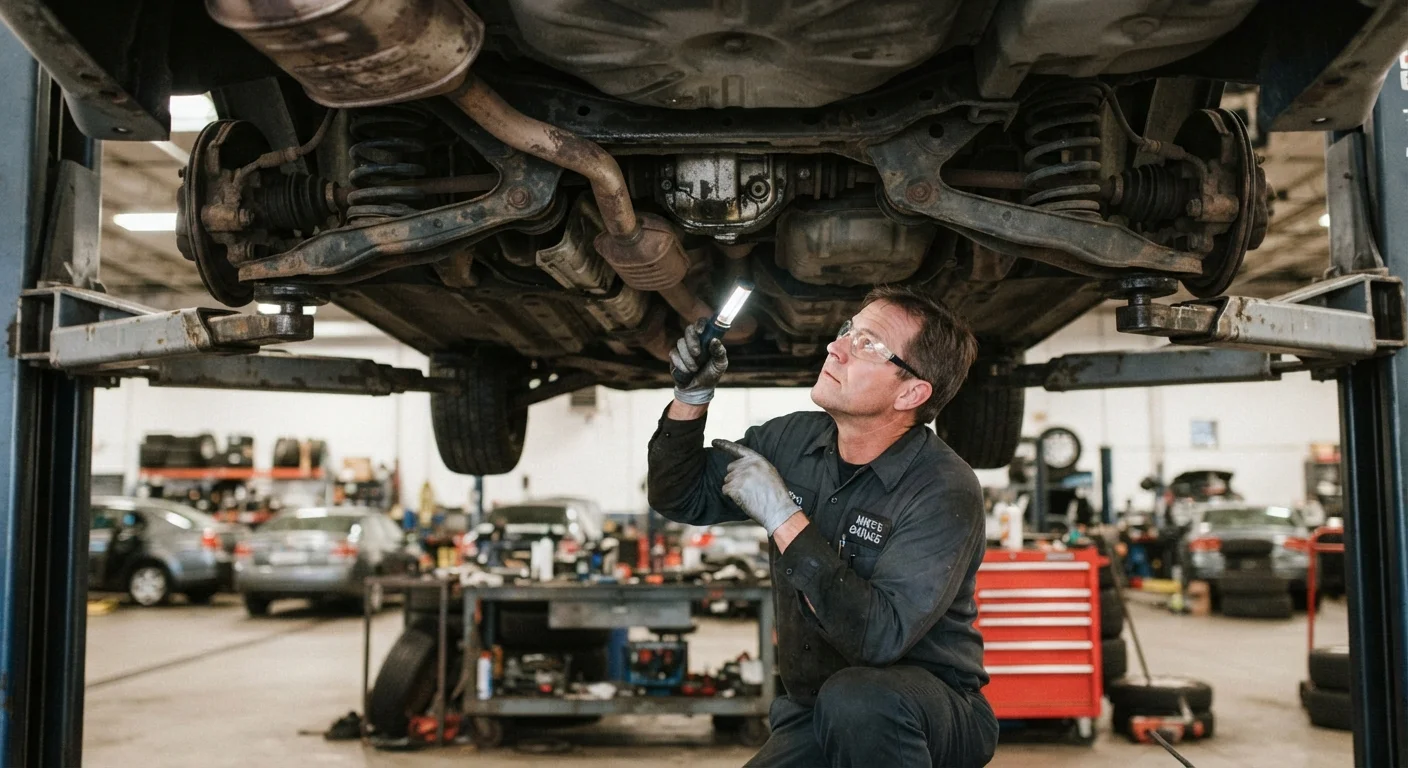
For details on what a mechanic inspection covers and what it typically costs, see getting a used car checked by a mechanic.
A branded title affects more than resale value
A salvage or rebuilt title can make it difficult or impossible to get standard auto insurance coverage, and some lenders will not finance a vehicle with a branded title at all. Verify the title status through both the vehicle history report and your state's DMV before investing time in any further steps.
Documents to bring and review
Bring your driver's license, proof of insurance, and any pre-approval letter from a lender. At the dealership or with a private seller, ask for the original title, the odometer disclosure statement, and any service records the seller has.
If you are financing, compare the loan terms in your pre-approval against what the dealer offers. The auto loan pre-approval checklist covers the documents lenders typically ask for. For a wider overview of how auto loans work, see auto loans.
Read the purchase contract line by line. Confirm the sale price, any documentation fees, and whether any add-on products such as extended warranties or GAP coverage (Guaranteed Asset Protection, which covers the difference between what you owe and the car's value if it is totaled) were added without your agreement.
Add-ons can raise your total cost significantly
Dealers sometimes present add-on products such as paint protection, tire-and-wheel coverage, or extended service contracts as part of the standard deal. Each is typically optional. Review the itemized contract carefully and ask for any item you did not request to be removed before signing.
This article provides general information about the used car buying process and is not legal, financial, or professional advice. Consult a licensed professional for guidance specific to your situation.