

Key Takeaways
- Class A motorhomes are the largest and most expensive, built on a bus or commercial truck chassis.
- Class B motorhomes are converted full-size vans, the most fuel-efficient and easiest to drive of the three.
- Class C motorhomes ride on a cutaway truck chassis and sit between A and B in size and cost.
- Choosing a class means weighing living space against driving difficulty, fuel costs, and campsite access.
- Insurance and financing for motorhomes differ from standard auto products, so research those separately.
RV class (motorhome)
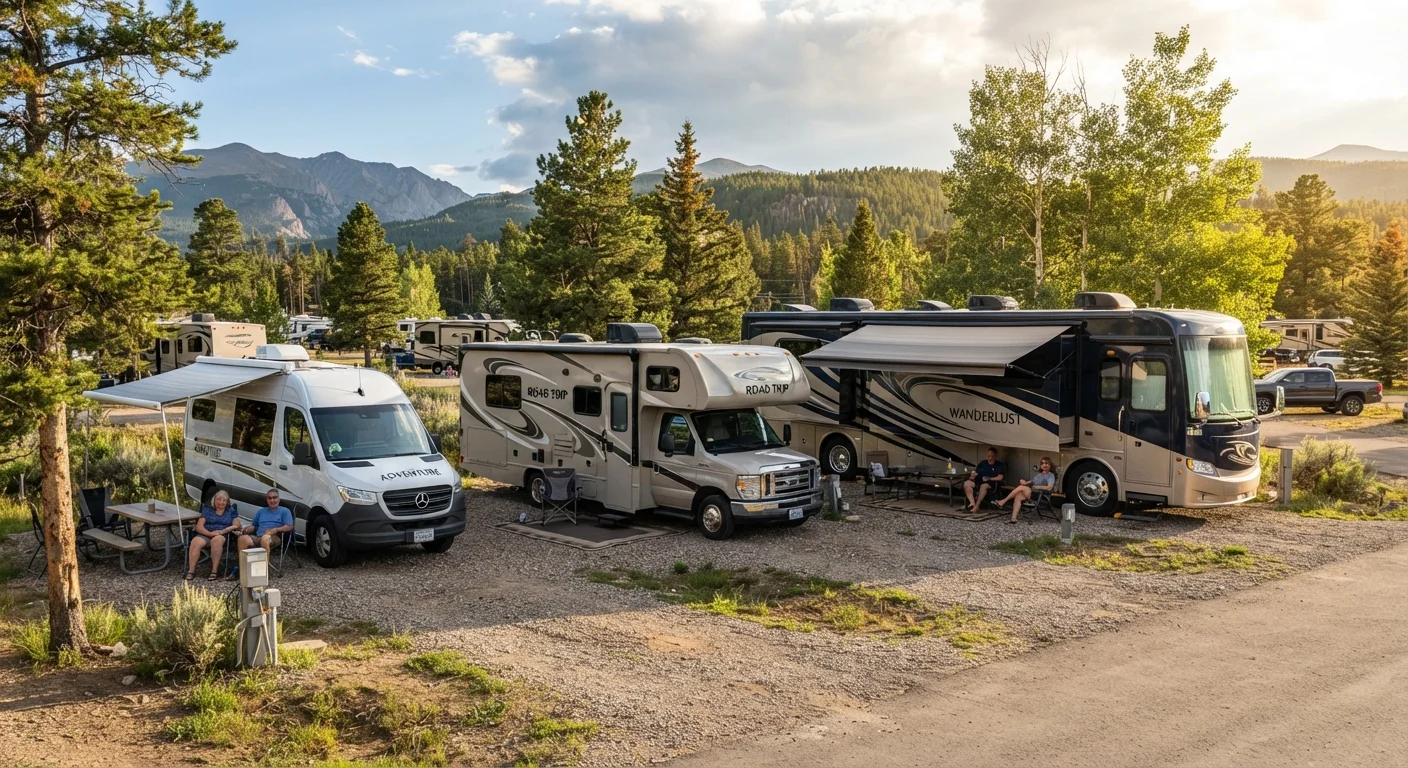
The RV industry groups motorhomes into three classes: A, B, and C. Each class describes a different body style and size range, which affects how the vehicle drives, how many people it sleeps, and what it typically costs. All three are self-propelled, meaning the living area and the engine are part of one unit.
Class designations apply only to motorhomes. Travel trailers, fifth wheels, and truck campers are separate categories and use different classification systems.
How the three classes are defined
The terms Class A, B, and C come from the RV industry, not from any federal regulation. They describe the chassis and body construction of a self-propelled motorhome. Because all three classes are motor vehicles with living quarters built in, they are financed and insured differently from travel trailers or fifth wheels. If you are still deciding between a motorhome and a towable, comparing van life and RV living is a useful starting point.
The class system does not rank quality. A Class B is not worse than a Class A; it is simply smaller. Each class suits a different traveler depending on how long they plan to stay on the road, how many people are coming, and how comfortable they are behind the wheel of a large vehicle.
Class A: the full-size coach
A Class A motorhome is built on either a bus chassis or a heavy commercial truck chassis. The front of the vehicle has a flat or slightly angled face with no traditional hood, which gives the cab a wide, boxy look from the outside. Inside, most Class A units have a full kitchen, a separate bedroom, one or more bathrooms, and living room space that can include a slide-out section that expands the floor plan when parked.
Length typically runs from about 25 feet to over 45 feet. That size means storage, comfort, and the ability to carry a towed car (called a "toad") behind the rig. It also means the vehicle is harder to maneuver, requires some campgrounds to have pull-through sites, and burns more fuel. New Class A coaches span a wide price range; diesel-powered models with premium finishes can cost several hundred thousand dollars.
For buyers considering financing a purchase at this scale, how RV loans work explains the key differences from a standard auto loan, including longer terms and the lenders involved.
Class B: the camper van
A Class B motorhome starts as a full-size cargo van from a commercial manufacturer. A converter then installs a raised roof, insulation, a small kitchen, a bed, and in many cases a compact wet bath. The result is a vehicle that drives like a large van and parks almost anywhere a pickup truck can.
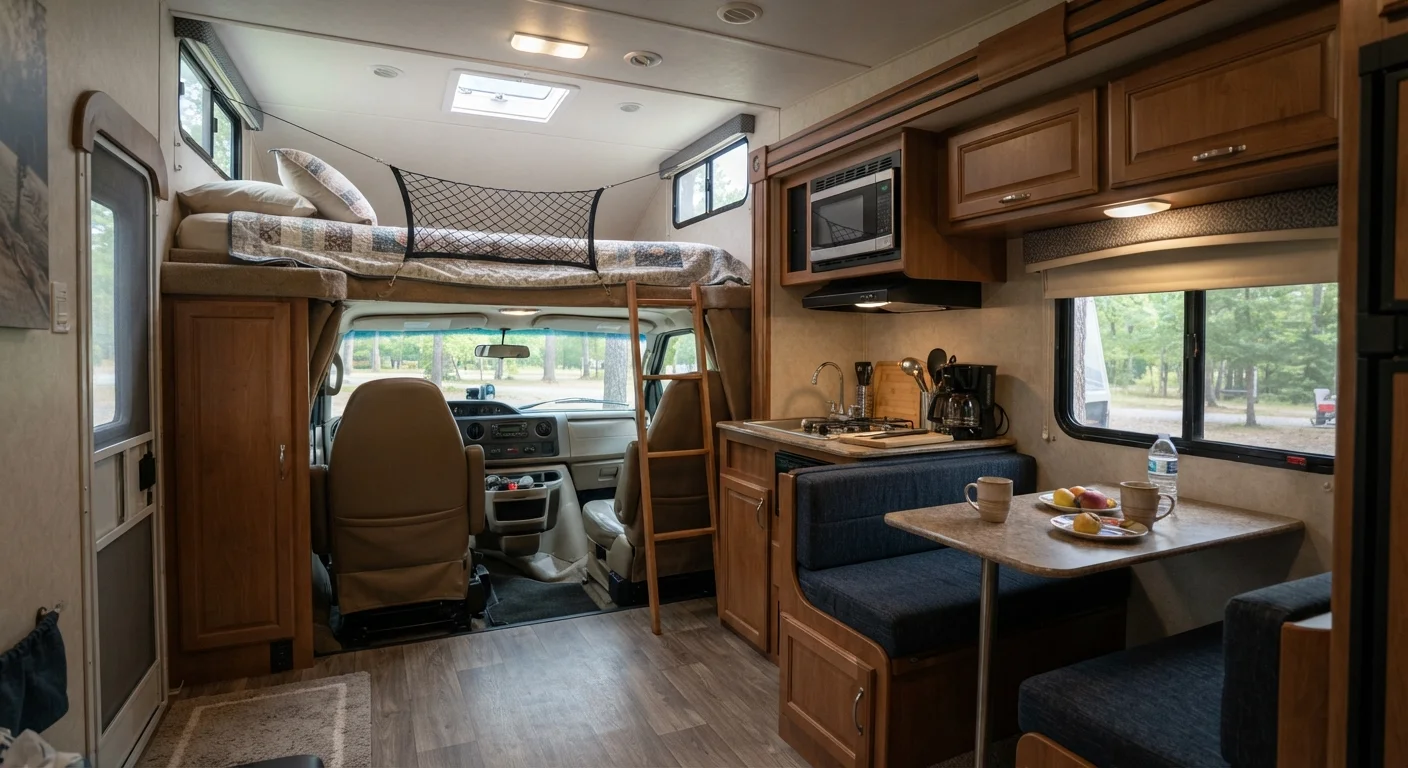
Class B units get better fuel economy than the other two classes, which matters on long drives. The trade-off is space: a Class B typically sleeps two adults comfortably, and cooking or moving around the interior takes some coordination. They work well for couples who move frequently and prefer not to set up and break down a large campsite every day.
If you are drawn to the van end of the spectrum, cargo van versus passenger van covers the base vehicle differences that matter before any conversion work begins.
25-45 ft
Typical Class A motorhome length range
Length affects campsite access, maneuverability, and storage capacity.
19-24 ft
Common Class B motorhome length
Shorter overall length allows Class B units to use standard parking spaces.
20-35 ft
Typical Class C motorhome length range
Class C units occupy a middle ground between the compact B and the large A.
Class C: the cab-over compromise
A Class C motorhome is built on a cutaway chassis, which is a standard truck cab that has been cut behind the front seats so a coach body can be attached. The most recognizable feature is the bunk or storage area that extends over the cab, which is visible from outside as an overhang above the driver's windshield.
Most Class C units run from about 20 to 35 feet. That range gives families more room than a Class B but keeps driving difficulty lower than a large Class A. Many first-time motorhome buyers start with a Class C because the cab feels familiar and the price of entry is often lower than a comparable Class A.
Used Class C motorhomes are widely available, and what first-timers overlook when buying a used RV walks through the inspection steps and title checks worth doing before any purchase.
Costs beyond the purchase price
Whichever class fits your travel style, the sticker price is only part of the budget. Fuel, campsite fees, maintenance, storage when not in use, and insurance all add to the annual cost of ownership. Motorhome insurance is not the same as a standard auto policy; it typically needs to cover the living quarters as well as the vehicle, and coverage options vary by class and how often you plan to live in the unit full-time versus part-time. how RV insurance works explains the protections and exclusions common to these policies.
This article is general information about motorhome classes and is not personalized financial or insurance advice. Coverage terms, loan products, and pricing vary by provider and individual circumstance. Consult a licensed insurance agent and a qualified financial adviser before making purchasing or financing decisions.