

Key Takeaways
- Standard auto insurance generally does not fully cover an RV's home-like features or contents.
- Motorhomes require their own liability coverage; towable trailers may extend from a tow vehicle's policy in limited ways.
- Full-time RV residents usually need a specialized policy with broader personal property and liability limits.
- Coverage options vary widely by insurer, so reading policy documents carefully is important before buying.
- RV insurance is one of several ongoing ownership costs to factor into your budget before purchasing.
RV insurance
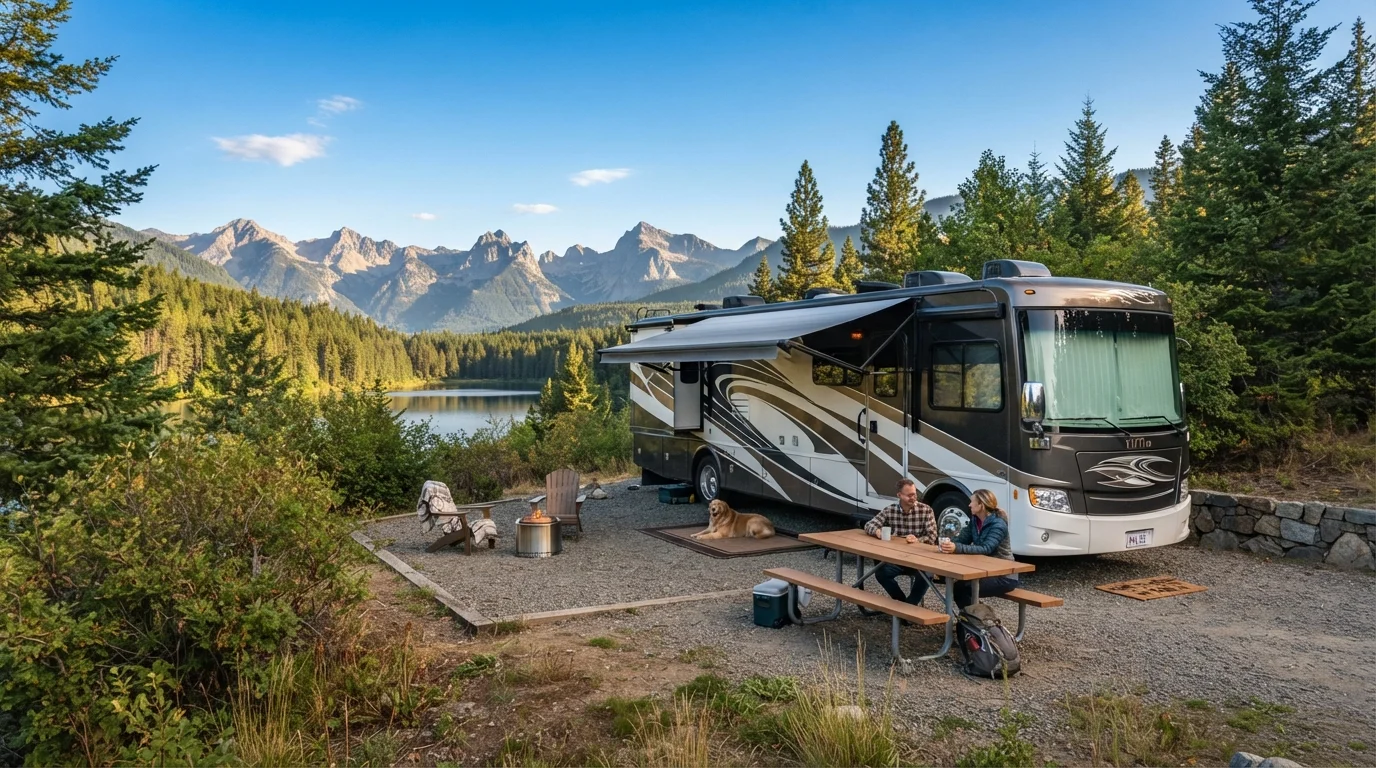
RV insurance is a policy designed specifically for recreational vehicles, including motorhomes and towable trailers. It works differently from a standard car policy because an RV is both a vehicle and, in many cases, a living space. Coverage can include liability, physical damage, and protections tied to the RV's home-like features, such as appliances and personal belongings inside.
Towable RVs (travel trailers, fifth wheels) are not self-propelled, so they require a different coverage structure than motorhomes, which are licensed and driven like motor vehicles.
Why RV insurance is different from car insurance
A car gets you from one place to another. An RV does that too, but it also contains a kitchen, sleeping quarters, plumbing, and sometimes thousands of dollars in personal belongings. That dual nature means a standard auto policy leaves significant gaps.
Standard auto policies are built around vehicles that travel and park, not vehicles that people live in. When an insurer writes an RV policy, they account for the vehicle's size and weight, its built-in appliances and systems, and the fact that it may sit parked at a campground for weeks at a time.
RV class also matters. A Class A motorhome is a large, self-propelled vehicle worth several hundred thousand dollars at the top end. A travel trailer is towed behind a pickup and is never driven independently. Insurers treat these differently, so the policy structure depends on which type you own.
Core coverage types on an RV policy
Liability coverage pays for bodily injury or property damage you cause to others while operating a motorhome. Most states require a minimum amount. If you want to understand where state minimums can fall short, this overview of minimum auto coverage gaps covers the same principle for passenger vehicles.
Collision coverage pays to repair or replace your RV after an accident with another vehicle or object, regardless of fault.
Comprehensive coverage covers damage from events other than collisions: fire, theft, vandalism, falling objects, and weather-related damage.
Uninsured/underinsured motorist coverage protects you if the other driver in an accident carries little or no insurance.
Medical payments or personal injury protection may also be available depending on your state. The differences between PIP and MedPay apply to RV policies in states where those coverages exist.
Optional coverages worth understanding
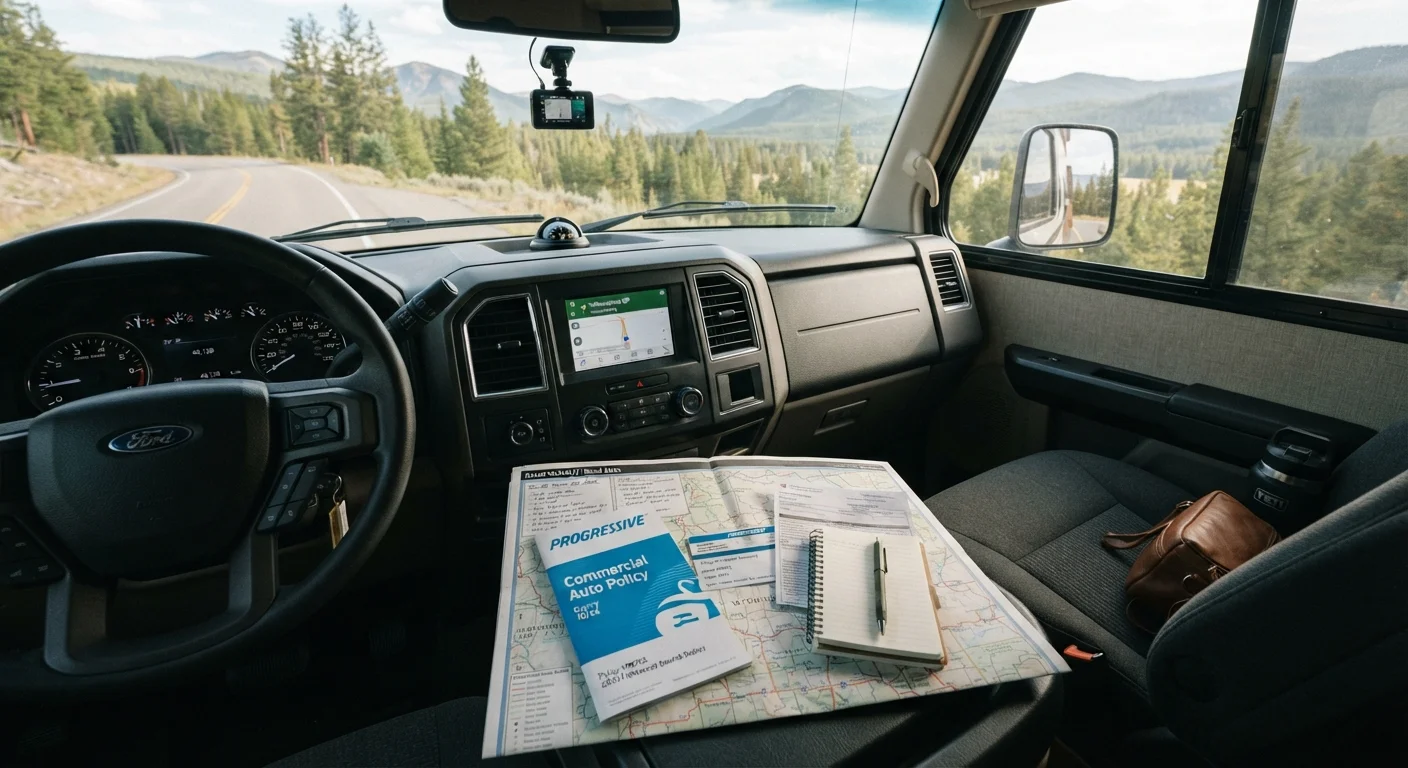
Beyond the standard protections, most RV insurers offer add-ons that address the vehicle's home-like features.
- Personal belongings coverage protects clothing, electronics, and gear stored inside the RV, up to a stated limit.
- Emergency expense coverage pays for lodging or travel costs if your RV becomes unusable after a covered event far from home.
- Campsite liability covers injury or property damage to others while your RV is parked at a campground.
- Total loss replacement pays to replace a totaled RV with a comparable new model rather than paying out a depreciated value.
- Roadside assistance covers towing and on-site help, though RV-specific roadside plans differ from standard auto plans given the size and weight involved.
11 million+
US households that own an RV
According to the RV Industry Association, RV ownership has grown steadily over the past decade across age groups.
150 days
Approximate threshold for full-timer status
Many insurers treat RV use exceeding roughly 150 days per year as full-time occupancy, which triggers different coverage requirements.
If you are considering a used RV, note that lenders who finance the purchase may require certain coverage levels. RV loan requirements explains what lenders typically ask for.
Full-time versus part-time use
How often you live in your RV changes what coverage you need. Insurers generally draw a line around 150 days per year, though the threshold varies. Living in an RV full time is closer to occupying a home than driving a vehicle, so a standard RV policy may not provide adequate liability or personal property protection for full-timers.
Full-timer policies typically carry higher personal liability limits, cover personal property more broadly, and may include loss-of-use benefits if the RV is damaged and temporarily uninhabitable. Someone using an RV for weekend trips a few times a year has a different risk profile and usually pays less for coverage.
Van life versus full RV living involves similar insurance questions, since converted vans used as primary residences may need coverage beyond what a standard auto policy provides.
RV insurance is one part of the broader cost picture. The full range of RV ownership costs covers fuel, storage, maintenance, and campsite fees alongside insurance.
This article is for general informational purposes only and is not personalized insurance or financial advice. Coverage terms, exclusions, and requirements vary by insurer and by state. Read policy documents carefully and consult a licensed insurance agent before making coverage decisions.