

| States requiring liability insurance | Nearly all 50 states (State DMV regulations) |
| No-fault states requiring PIP | 12 states plus Washington D.C. (Insurance Information Institute) |
| Typical collision deductible range | $250 to $1,500 (General industry range) |
| Comprehensive coverage requirement | Required by most lenders on financed vehicles (Standard lender contract terms) |
The coverage types on a standard auto policy, explained one by one
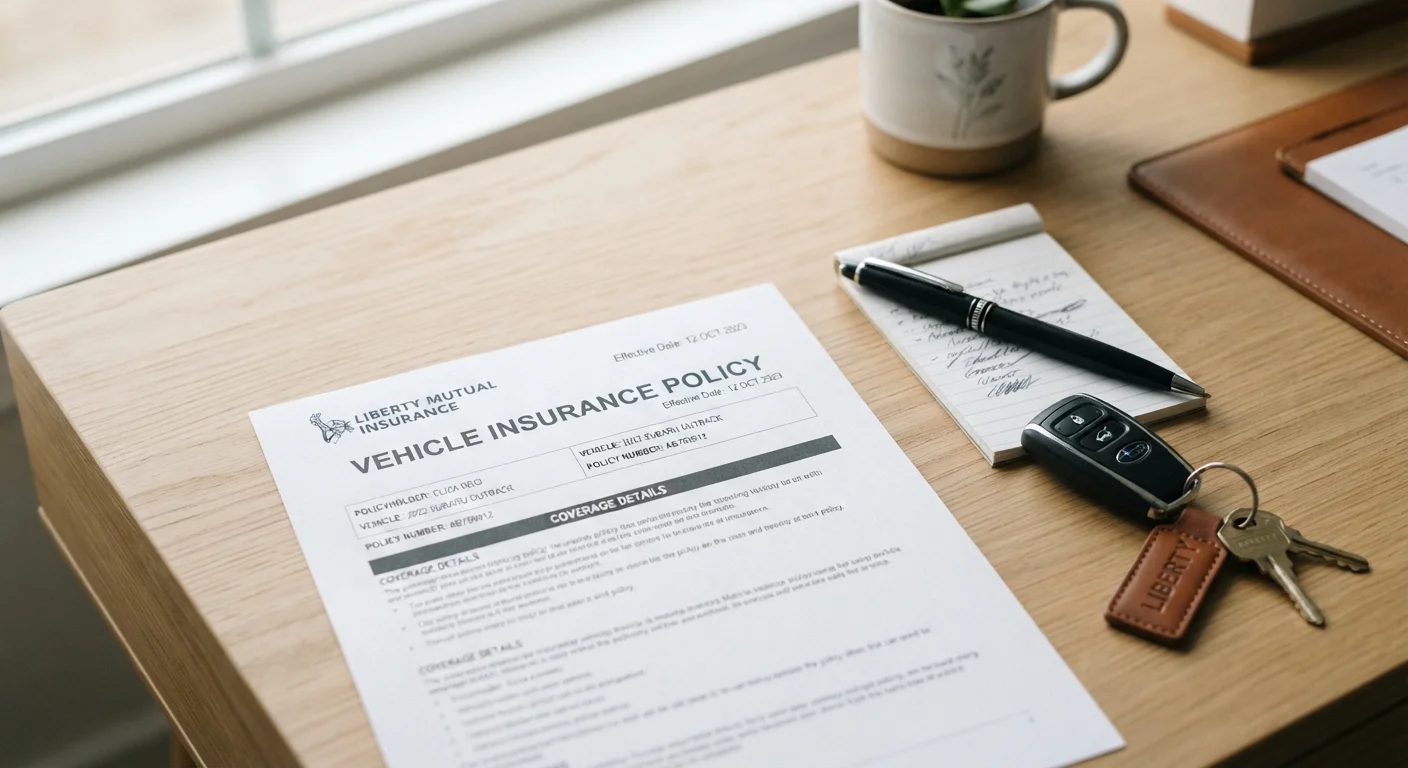
A standard personal auto policy is not one coverage but a collection of separate protections bundled together. Each part has its own limit, deductible, and purpose. Reading them individually makes it easier to compare quotes, spot gaps, and avoid paying for coverage you do not need.
This article explains each coverage type in plain language. It is general information, not personalized insurance or legal advice. Terms, limits, and availability vary by state and insurer, so always read the actual policy documents and speak with a licensed agent about your specific situation.
| States requiring liability insurance | Nearly all 50 states (State DMV regulations) |
| No-fault states requiring PIP | 12 states plus Washington D.C. (Insurance Information Institute) |
| Typical collision deductible range | $250 to $1,500 (General industry range) |
| Comprehensive coverage requirement | Required by most lenders on financed vehicles (Standard lender contract terms) |
Liability coverage: what it pays and why it is required
Liability is the foundation of nearly every personal auto policy and is legally required in almost every U.S. state. It has two parts.
Bodily injury liability (BI) pays for medical expenses, lost wages, and legal costs for other people you injure in an at-fault accident. It does not cover your own injuries.
Property damage liability (PD) pays to repair or replace vehicles and other property you damage when you are at fault. It does not cover your own vehicle.
Limits are written as three numbers, for example 25/50/25, meaning $25,000 per injured person, $50,000 per accident, and $25,000 for property damage. State minimums are often low. If damages exceed your limit, you are personally responsible for the difference.
Collision and comprehensive: coverage for your own vehicle
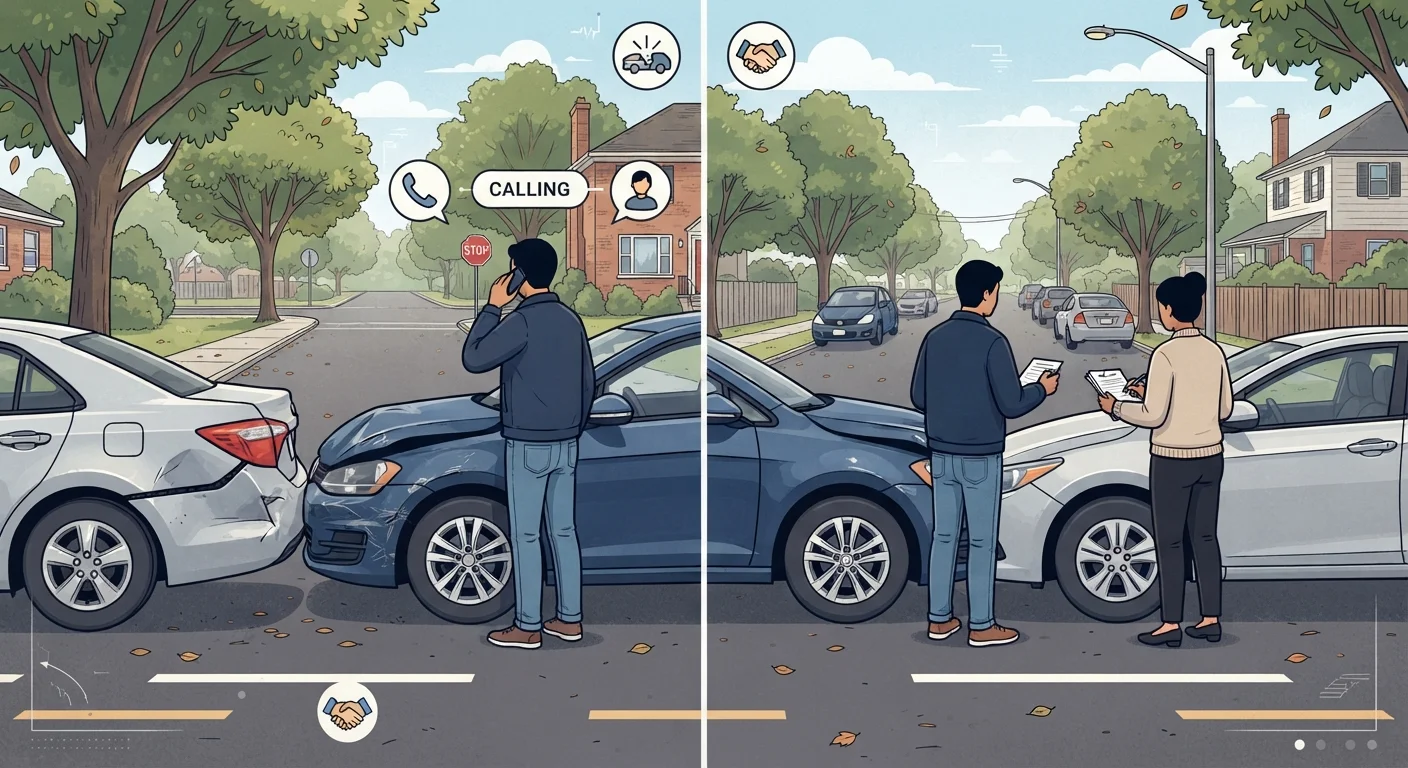
Collision pays to repair or replace your car after it strikes another vehicle or object, regardless of who caused the accident. A deductible applies, meaning you pay that amount before the insurer pays the rest.
Comprehensive covers damage from events other than a collision: theft, fire, hail, flooding, falling objects, and animal strikes. It also carries a deductible.
Lenders typically require both coverages when you finance or lease a vehicle. If you finance your purchase through an auto loan, check your loan agreement for the required coverage levels before choosing a deductible.
Medical coverages: PIP and MedPay
Personal injury protection (PIP) covers medical expenses for you and your passengers after an accident, regardless of fault. In no-fault states, PIP is mandatory. It can also cover lost wages and replacement services.
Medical payments coverage (MedPay) is narrower. It pays medical and funeral expenses for you and your passengers but generally does not cover lost wages or non-medical costs.
The two coverages work differently in practice. For a deeper comparison, see how PIP and MedPay differ.
Uninsured and underinsured motorist coverage
Uninsured motorist (UM) coverage pays your medical expenses and, in some states, vehicle repair costs when an at-fault driver has no insurance. Underinsured motorist (UIM) coverage applies when the at-fault driver's limits are too low to cover your losses. Both are required in several states and optional in others.
These coverages mirror the liability structure with bodily injury and property damage sub-types available depending on the state.
Optional add-ons commonly found on auto policies
Beyond the core coverages, insurers offer several optional protections.
- Rental reimbursement pays for a rental car while your vehicle is being repaired after a covered claim. Daily and total limits apply.
- Roadside assistance covers towing, battery jumps, lockout service, and similar situations. Coverage details vary widely between policies.
- Gap coverage pays the difference between what you owe on a loan or lease and the actual cash value the insurer pays if your car is totaled. Relevant if you financed a vehicle with a small down payment.
- Custom parts and equipment coverage protects aftermarket modifications not covered under standard comprehensive or collision.
If you drive a van or RV, a standard personal auto policy may not cover all your needs. RV insurance works differently from standard auto coverage and typically requires a separate policy.
One coverage the policy does not address is who can legally drive your car. Permissive use rules govern whether a friend or family member borrowing your vehicle is covered, and gaps can appear in certain situations.
This article is for general informational purposes only and does not constitute personalized insurance, financial, or legal advice. Coverage terms, availability, and state requirements vary by provider and location. Read your policy documents carefully and consult a licensed insurance agent for guidance specific to your situation.