

Key Takeaways
- Your auto policy usually follows your car, not just the named drivers on it.
- Permissive use extends coverage to occasional borrowers, but limits may be reduced compared to what named insureds receive.
- Regular or household drivers who are not listed on your policy can create coverage gaps.
- Exclusions such as business use, racing, or driving under the influence can void permissive use coverage.
- Your insurer should be your first call before lending your car to someone whose driving record you are unsure about.
- Policy terms and state regulations vary; reviewing your declarations page is the only way to know your actual limits.
Permissive use
Permissive use is a provision in most standard auto insurance policies that extends your coverage to someone who drives your car with your permission. When a covered accident occurs, your policy generally responds first, even though the driver is not listed on it. Coverage limits and conditions vary by policy and by state.
Most policies distinguish between 'express permission' (you said yes) and 'implied permission' (a pattern of regular borrowing). Some insurers treat repeated unlisted drivers as undisclosed household members, which can affect claims.
How permissive use works in a standard policy
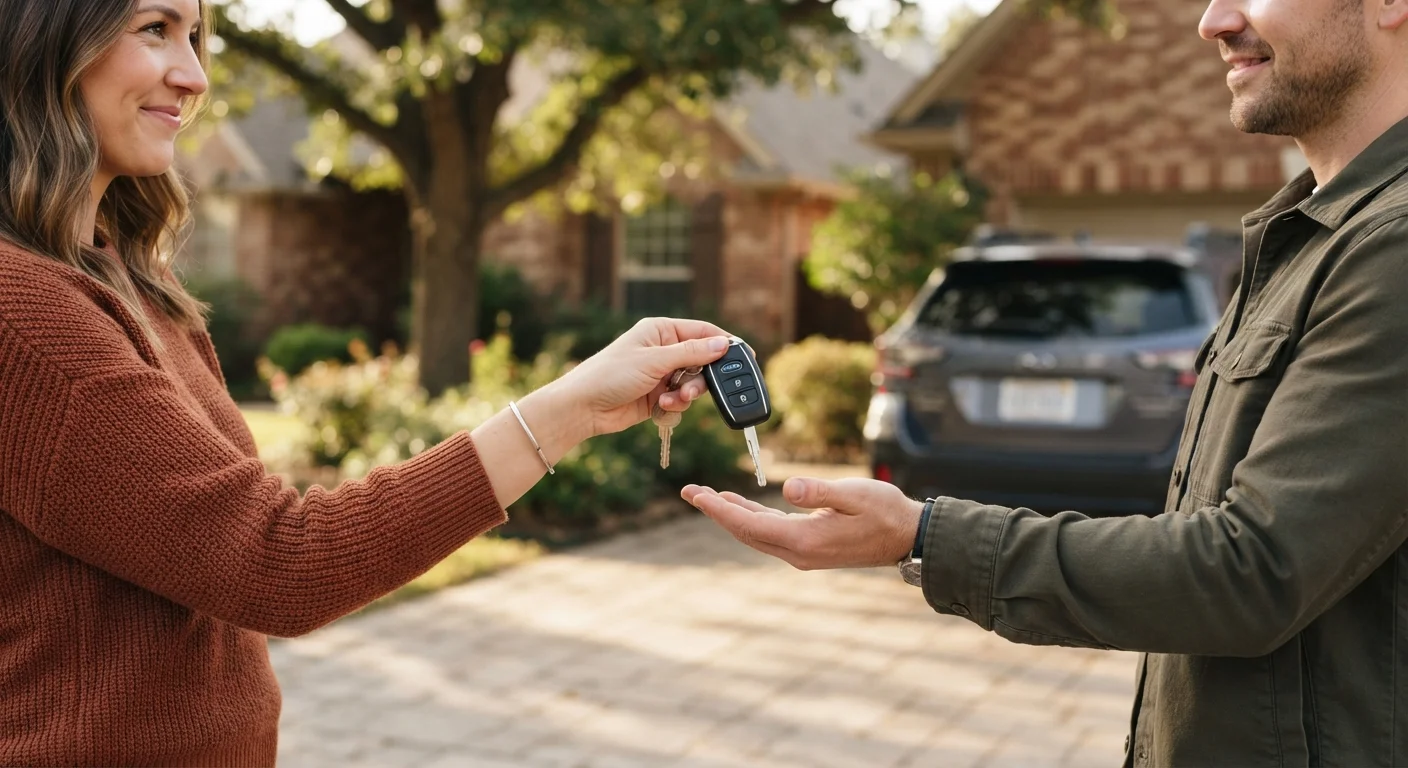
Most personal auto insurance policies are written to cover the vehicle first and the driver second. This design, known as permissive use, means that when you give someone explicit or reasonably implied permission to drive your car, your policy generally extends to cover them for that trip.
The practical effect: if your neighbor borrows your car and rear-ends another vehicle, your bodily injury liability and property damage liability coverage will typically respond to the other driver's injuries and vehicle damage. Your collision coverage, if you carry it, will apply to your own car's repairs. The claim goes on your policy, not your neighbor's.
For a broader look at what each coverage type does, see the standard auto policy coverage breakdown.
Where permissive use has limits
Permission alone does not guarantee full coverage. Several common situations can reduce what a policy pays or eliminate coverage entirely.
- Some policies carry a reduced-limits clause for permissive users, meaning a borrower receives less liability protection than a named insured would.
- Household members who live with you and drive regularly are expected to be listed on the policy. Treating a spouse, adult child, or domestic partner as an occasional borrower when they use the car weekly is a pattern insurers may flag as a misrepresentation.
- Exclusions for business use, commercial delivery, racing, and driving while impaired apply regardless of who has permission.
- If you give permission to a driver whose license is suspended and they cause an accident, many insurers will deny the claim on public-policy grounds.

State law also plays a role. A few states have broader financial responsibility statutes that extend more protection to permissive users than the policy itself provides. Others allow tighter exclusions. Because rules differ by state, a licensed agent familiar with your state's requirements is the most reliable source for specifics about your situation.
State minimum coverage requirements can also interact with permissive use claims, especially when damages exceed a policy's liability limits.
Situations that commonly catch policyholders off guard
A college student home for the summer borrows a parent's car to run errands and backs into a parked vehicle.
A friend borrows a coworker's car to pick up furniture and causes a collision on the highway.
A family member with a suspended license borrows a car without disclosing the suspension, then causes an accident.
A roommate uses a housemate's car four days a week for commuting but is never added to the policy.
Beyond the scenarios above, two patterns come up frequently in permissive use disputes. First, a named exclusion endorsement: if you have formally excluded a driver from your policy (often done to keep premiums down when a household member has a poor record), that exclusion holds even if you give them permission for a single trip. Second, a lender's gap: if you have a car loan, your lender requires you to carry comprehensive and collision coverage. A permissive use accident that goes uninsured because of an exclusion can put your loan terms at risk.
What to check before handing over your keys
Before lending your car, there are a few concrete steps worth taking.
- Read your declarations page to confirm whether your policy uses a reduced-limits clause for non-listed drivers.
- Ask whether the borrower has their own active policy; their coverage may act as secondary insurance if your limits are exhausted.
- Confirm the intended use. Errands and social trips fall under personal use; rideshare or delivery work does not.
- If someone in your household drives your car regularly, contact your insurer about adding them as a listed driver.
Reviewing your policy at each renewal is a sound habit. A structured renewal checklist can help you verify that your coverage still fits your household's actual situation.
For readers new to auto insurance, the beginner's walkthrough covers how policies are structured and what to look for when comparing plans.
This article provides general information about auto insurance concepts and is not personalized insurance, financial, or legal advice. Coverage terms, exclusions, and state regulations vary by insurer and location. Read your actual policy documents and consult a licensed insurance agent for guidance specific to your circumstances.